Footwear Liquidation Playbook (2026)
Footwear liquidation without flooding your channels: size-curve tactics, off-price shoe buyers, jobbers, and B2B marketplaces.
Hylke Reitsma is co-founder of Forthsuite and a supply chain specialist with 8+ years of hands-on experience at Shell, Verisure, and Stryker. He holds an MSc in Supply Chain Management from the University of Groningen and writes practical guides to help e-commerce teams run leaner, faster supply chains. Selected by Replit as 1 of 20 founders for the inaugural Race to Revenue Cohort #1 (2026) and certified as a Replit Platform Builder.
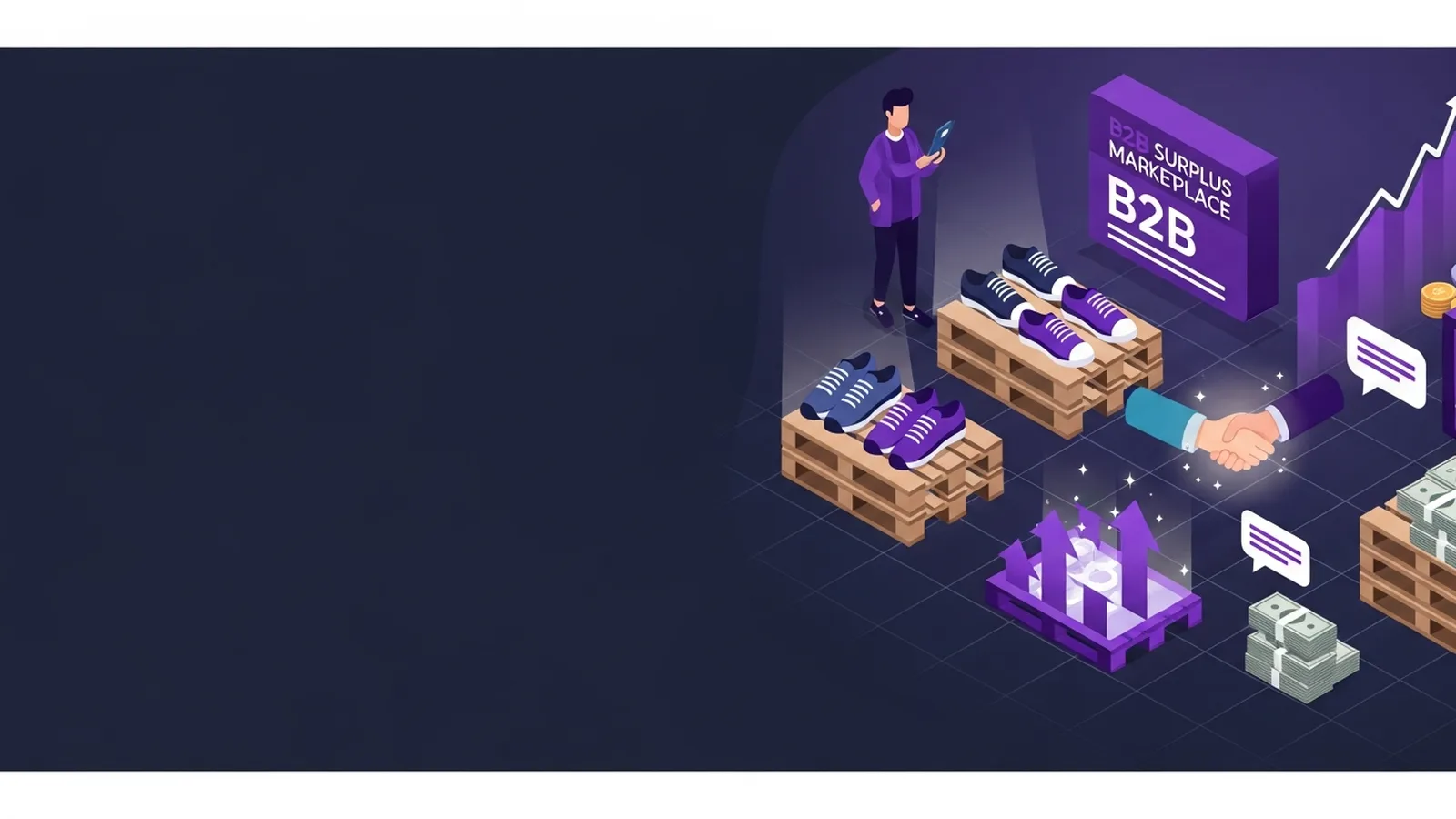
Footwear Liquidation: Recover Margin Without Damaging Brand
Last updated: May 2026
TL;DR: A warehouse inventory sale for shoes means liquidating excess footwear inventory by using size-curve tactics, partnering with off-price shoe buyers and jobbers, and listing on B2B marketplaces for sneakers, dress, and athletic shoes. Forthclear helps Shopify operators list overstock and deadstock shoe inventory for sale to bulk B2B buyers on its secondary-market marketplace.
TL;DR. Liquidate excess footwear inventory without flooding your channels. Size-curve tactics, off-price shoe buyers, jobbers, and B2B marketplaces for sneakers, dress, and athletic shoes.
This guide is one of 20 vertical spokes inside the Wholesale Liquidation Guide. The pillar covers the cross-category recovery framework (channel ladder, pricing stack, holding-cost math); this spoke covers what works specifically for footwear overstock on Shopify. The short answer to "How do I liquidate excess footwear and shoe inventory?": match channel to brand-protection tolerance and recovery-rate target using the ladder below.
The size-curve problem in shoe liquidation
Footwear lots are priced against the size-curve completeness, not unit count. A “full curve” (US 6–11 in women's, 8–13 in men's, with normal demand distribution) recovers 35–50% of cost.
A broken curve (only sizes 6, 6.5, and 11 left) recovers 8–18% — jobbers price size-broken footwear as commodity. The implication: liquidate while curves are still intact, even if unit count looks small.
Off-price footwear buyers (DSW clearance, Famous Footwear, Rack Room)
DSW Clearance pays 28–45% of MSRP for branded current/last-season athletic and dress footwear with intact curves. Famous Footwear (Caleres) takes branded family footwear at 25–40% recovery and explicitly hunts brands <3 years old it can use to refresh assortment.
Rack Room takes value-tier footwear at 18–30% recovery and accepts size-broken curves more readily than DSW.
Athletic and sneaker secondary channels
Premium athletic (Nike, adidas, Hoka, On) carries unique secondary economics: StockX, GOAT, and KicksOnFire wholesale buyers pay a premium for current-gen limited drops, often beating retail recovery. For non-limited current-gen athletic, Hibbett, Shoe Carnival, and the Foot Locker outlet network pay 30–48% of MSRP.
International export as a brand-protected exit
Footwear export to LATAM and Eastern Europe consistently yields 25–42% recovery on branded athletic and dress, with near-zero domestic price-anchor damage. Distributor lead time is 5–9 weeks (ocean) or 10–14 days (air, only viable for premium athletic).
Export requires Country-of-Origin labeling intact and HTS classification (typically 6402–6405) on the commercial invoice.
Jobbers and footwear-only liquidators
Footwear-only jobbers (Shoe Show wholesale, Sole Society outlet, regional pallet operators) buy size-broken and discontinued lots at 10–22% recovery. The economics work for clearing space but ALWAYS expose the brand to Amazon arbitrage within 30 days.
Use only for SKUs the brand is genuinely retiring — never for current-line overstock.
How Forthclear helps shoe brands clear size-broken stock
Forthclear's footwear buyer pool is segmented by curve-completeness preference: size-broken lots route to international export and value retailers; intact curves route to off-price and specialty. The platform's Shopify integration scores each SKU's curve completeness automatically and routes accordingly — brands stop manually triaging size-curves before listing.
FAQ
How do I liquidate excess footwear and shoe inventory?
Liquidate excess footwear inventory without flooding your channels. Size-curve tactics, off-price shoe buyers, jobbers, and B2B marketplaces for sneakers, dress, and athletic shoes. The framework above is the operator answer in under 1,500 words; the cross-category context lives in the Wholesale Liquidation Guide pillar.
What recovery rate should I expect when I liquidate footwear inventory?
Recovery in footwear liquidation is bracketed by channel: specialty B2B and Forthclear-style verified-buyer marketplaces typically pay 35–65% of cost; off-price retail pays 22–45%; mixed-pallet jobbers pay 8–18%. Specifics depend on brand strength, season, and SKU/curve completeness.
Does Forthclear support footwear liquidation?
Yes. Forthclear is built for Shopify merchants moving excess inventory in verticals like footwear. You set your asking price, and Forthclear connects your surplus stock with bulk B2B buyers on its standalone marketplace.
Where does this fit in the broader Wholesale Liquidation Hub?
This spoke is one of 20 inside the Wholesale Liquidation Guide pillar. The pillar covers the full operator overview across every vertical; come back to this spoke when you specifically need to solve footwear liquidation.
Should I liquidate online or offline?
Online B2B platforms (like Forthclear) are faster for size-broken and mixed lots because bulk buyers can see detailed size breakdowns and make offers based on actual curve completeness, not guesswork. Offline (phone/email to off-price buyers) works well for large single-SKU lots with intact curves, but requires relationship capital. Hybrid approach: use online for mid-tier lots and jobber clearance, phone for your biggest opportunities.
Next step
For the cross-category playbook, the Wholesale Liquidation Guide stitches all 20 vertical spokes together. If you want to ship footwear liquidation in one afternoon on Shopify, connect Forthclear and get verified-buyer matches inside 48 hours.
B2B Surplus and Liquidation in 2026: What's Changed
The footwear liquidation landscape has fragmented significantly over the past 18 months. Traditional wholesale liquidators now compete directly with specialized B2B marketplaces, direct-to-discount-retailer channels, and even peer-to-peer inventory exchanges.
For operators moving excess shoe inventory, this means more channel options but also more complex decision trees around pricing, speed, and recovery rates.
What's driving the shift: buyers have become more selective about aged inventory, particularly in fashion-forward categories like athletic and casual footwear. Data from Q1 2026 shows recovery rates on footwear older than 9 months dropped compared to 2024 benchmarks. Buyers are prioritizing freshness and current-season relevance, which puts pressure on brands to move distressed inventory faster or accept steeper discounts. The winners are operators who segment their excess by age, seasonality, and style velocity rather than treating all surplus as a single homogeneous lot.
Looking ahead, expect continued bifurcation between premium liquidation channels (higher recovery, stricter inventory criteria) and bulk-out solutions (speed over margin). The operators gaining ground are those building systematic processes to assess and route inventory within 30-45 days of identifying it as excess, rather than letting it age on the shelf.
Timing Your Liquidation: When to Move Inventory
The window between "overstock" and "deadstock" is narrow in footwear. Once a shoe model falls out of season or drops below a certain sell-through rate, recovery rates compress sharply.
Early action—liquidating while size curves remain intact and the shoe still carries brand momentum—is almost always more profitable than waiting.
The cost of holding inventory compounds quickly: warehouse space, insurance, obsolescence risk, and seasonal shifts all erode margin. Seasonal footwear (winter boots, summer sandals) has particularly compressed windows. A winter boot that doesn't clear by March is worth half as much in April as it was in February. Athletic footwear tied to new model drops faces similar pressure: once the next generation launches, previous-gen athletic loses shelf life rapidly.
The practical play is to monitor your SKU-level sell-through weekly and set a threshold. When a style drops below your target velocity for two consecutive weeks, it's time to explore liquidation channels—not when you're desperate to move it in bulk. This proactive stance lets you choose among multiple buyers rather than take the first offer.
Managing Brand Perception During Liquidation
Every shoe brand worries about one thing: flooding discount channels and training customers to wait for sales. Footwear is particularly susceptible to this because off-price retailers are highly visible (DSW Clearance, Rack Room, Famous Footwear all have prominent physical and digital presences), and price-comparison bots track their inventory in real time.
The core protective tactic is channel separation. Never liquidate current-season inventory to the same off-price retailer your primary channel already uses. If you already sell through DSW's main doors, send clearance inventory to Famous Footwear or Rack Room. If you work with international distributors, route those sales to LATAM or Eastern Europe where domestic price anchors won't leak back to your Shopify store.
For premium athletic and limited-edition sneakers, the secondary-market buyers (StockX, GOAT, and auction platforms) actually protect brand value because they operate in a completely separate ecosystem. Sneaker enthusiasts expect premium athletic to trade on secondary markets; it's normal and doesn't taint the brand.
The jobber route requires the most caution. Small regional pallet operators and liquidation jobbers have minimal brand controls, and your shoes can end up on Amazon within 30 days at unpredictable price points. Reserve jobbers strictly for discontinued lines, inherited inventory, or SKUs you're genuinely retiring. Never send current-line overstock to jobbers if you have other options.
What Happens to Your Inventory After You Sell It?
Understanding your buyer's business model matters because it predicts where your shoes end up and how fast. Off-price chains (DSW Clearance, Famous Footwear) operate controlled retail networks with predictable mark-ups; they won't dump your shoes to liquidation sites within 60 days.
International export distributors sell into regional retail and wholesale networks where price anchors don't affect your US market. Athletic resale platforms (StockX, GOAT) operate their own marketplaces with their own pricing logic, separate from retail.
Jobbers, by contrast, are wholesalers. They buy low and sell fast to whoever offers the best price—often other jobbers, then Amazon sellers, then discount sites. You lose visibility and control once the pallet leaves your warehouse. This is fine if the alternative is dumpster disposal, but it shouldn't be your first choice.
About the Author

Hylke Reitsma is co-founder of Forthsuite and a supply chain specialist with 8+ years of hands-on experience at Shell, Verisure, and Stryker. He holds an MSc in Supply Chain Management from the University of Groningen and writes practical guides to help e-commerce teams run leaner, faster supply chains. Selected by Replit as 1 of 20 founders for the inaugural Race to Revenue Cohort #1 (2026) and certified as a Replit Platform Builder.
LinkedIn