Dead Stock Management: 5 Steps to Clear Warehouse
How to spot dead stock, five ways to clear it, from markdowns and bundles to bulk sales or donation, and how to stop it building up again.
Hylke Reitsma is co-founder of Forthsuite and a supply chain specialist with 8+ years of hands-on experience at Shell, Verisure, and Stryker. He holds an MSc in Supply Chain Management from the University of Groningen and writes practical guides to help e-commerce teams run leaner, faster supply chains. Selected by Replit as 1 of 20 founders for the inaugural Race to Revenue Cohort #1 (2026) and certified as a Replit Platform Builder.
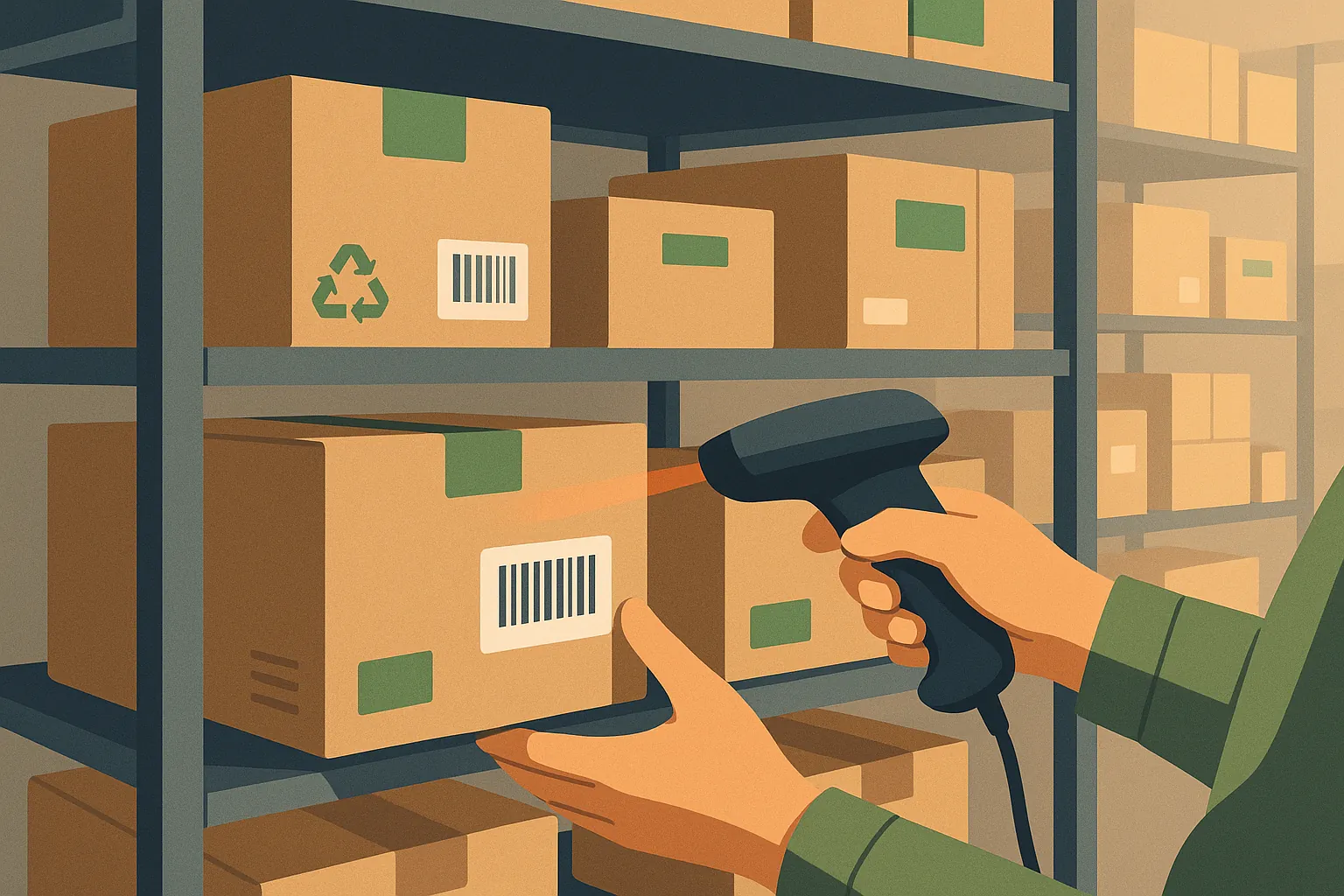
TL;DR: Dead stock - inventory that has stopped selling and is unlikely to sell - can drain your resources, eat up space, and hurt your cash flow. This guide covers how to spot it, five ways to clear it and how to stop it building up again.
Last updated: July 2026
Dead stock - inventory that has stopped selling and is unlikely to sell - can drain your resources, eat up space, and hurt your cash flow. You can take action today. Here's how to tackle dead stock:
- Identify Dead Stock: Use inventory tools to track slow-moving items and conduct regular audits.
- Clear It Out: Offer discounts, bundle with popular products, or sell through wholesale/liquidation platforms.
- Repurpose or Donate: Disassemble items for parts, repackage, or donate for tax benefits.
- Repackage and Market: Refresh packaging or target new audiences to revive sales.
- Prevent Future Dead Stock: Forecast demand accurately, adopt Just-in-Time inventory practices, and review stock regularly.
Clear Out Dead Stock Without Damaging Your Brand
How to Find Dead Stock in Your Warehouse
Identifying dead stock in your warehouse requires a methodical approach that blends technology, clear classification guidelines, and consistent monitoring. The goal? Spot slow-moving inventory before it turns into a costly liability. Here's how inventory tools and structured processes can help.
Use Inventory Tools to Find Dead Stock
Modern inventory systems are your best ally in tackling dead stock. These tools track inventory in real time, predict demand, and analyze SKU performance to flag items that have been sitting for 12 months or more.
The most effective systems focus on SKU-level performance, giving you a clear view of what's selling and what's not. Look for software that offers metrics like "stock in months", which calculates how long your current inventory will last based on sales trends. For example, items with more than a year’s worth of stock on hand are likely candidates for dead stock.
Advanced tools go beyond tracking - they predict demand, monitor inventory turnover, and generate detailed reports on aging stock. By identifying slow-moving items early, these systems help free up working capital and prevent overstocking.
To maximize these tools, set up automated alerts and reports that flag slow-moving inventory before it becomes dead stock. Consistency is key - regular monitoring helps you stay ahead of potential issues.
Rules for Classifying Dead Stock
Not all slow-moving inventory qualifies as dead stock, so it’s important to define clear criteria. Dead stock refers to inventory that can’t be sold immediately and is unlikely to sell in the future. This includes items that are faulty, outdated, out-of-season, or damaged.
Typically, inventory moves through stages: slow-moving, then excess, and eventually dead stock. Many businesses use a fixed review point, such as 12 months without a sale, to decide when an item counts as dead stock. For accounting, stock that is unlikely to sell may need to be written down to what it can realistically be sold for; your accountant can confirm the treatment.
Here are some key factors to consider when classifying inventory:
- Sales Velocity: Flag a product for review once it has gone without sales for a period you set, for example 6 or 12 months.
- Age in Warehouse: Items that stay unsold past your review threshold are strong candidates for dead stock.
- Seasonal Trends: Seasonal items should be assessed after their peak selling period. For instance, a retailer might identify unsold jeans from last year as dead stock due to shifting fashion trends.
- Condition and Expiration: Perishable or time-sensitive items nearing expiration without sales activity are clear indicators of dead stock.
There is no universal benchmark for an acceptable share of dead stock. Track your own share over time and set a review threshold that fits your categories and cash position. Proper classification enables you to make quick decisions about clearance, repurposing, or disposal.
Run Regular Inventory Audits
Digital tools are powerful, but physical audits add an extra layer of accuracy to your inventory management. Regular audits help reconcile discrepancies, assess inventory condition, and identify slow-moving items.
Physical counts reveal mismatches between recorded and actual stock levels. During these audits, check for damage, expiration dates, or quality issues that could impact an item’s sellability.
Seasonal reviews are particularly helpful for adjusting ordering patterns and avoiding overstock. For example, evaluate seasonal products after their peak period to prevent them from becoming dead stock. Additionally, audits can spotlight supplier issues, such as long lead times, that contribute to excess inventory. Use this information to refine your purchasing strategy and reduce future dead stock.
To streamline the process, create detailed checklists covering inventory counts, condition checks, sales data analysis, and supplier performance reviews. This structured approach helps you catch dead stock early and take corrective actions like markdowns, donations, or recycling to minimize financial losses.
Regular audits also support better inventory control by helping you set reorder points and maintain optimal stock levels. Ultimately, the aim is to identify underperforming items and address them before they drain your resources or occupy valuable warehouse space.
5 Steps to Clear Dead Stock
Once you've pinpointed dead stock in your warehouse, the next step is to take action. The goal? Move that inventory out fast while recovering as much value as possible. Here are five practical strategies to help B2B ecommerce businesses free up warehouse space and cut losses.
Step 1: Offer Discounts and Clearance Sales
Discounts and clearance sales are a classic way to get slow-moving inventory out the door. You can use tiered discounts - start with smaller markdowns for newer items and increase the discount as stock gets older. Another option is dynamic pricing, where prices adjust based on demand, seasonal trends, or market changes. To make these deals even more enticing, create a dedicated clearance section on your website and highlight the savings.
Step 2: Bundle Dead Stock with Popular Products
Pairing slow-moving items with your bestsellers can make them more appealing. For instance, you can use mixed bundling (letting customers buy items separately or as a package), pure bundling (selling items only as a package), or themed bundles for inventory clearance. Offering these bundles at a discounted price compared to buying items individually can encourage more purchases.
Step 3: Use Wholesale and Liquidation Marketplaces
Wholesale and liquidation platforms are great for reaching buyers actively looking for surplus inventory. Some B2B surplus marketplaces, ForthClear among them, let you list for free and set bulk pricing.
To attract buyers, research similar listings to price your items competitively - liquidation buyers typically expect steep discounts. Promote your listings through email campaigns or social media to drive more traffic.
Step 4: Donate or Repurpose Inventory
If selling isn't an option, consider donating unsold stock. Donations may be tax-deductible, but the rules, and how the deduction is valued, depend on your country and business structure, so check with your accountant first. Partner with nonprofits, schools, or community groups that can use your products, and make sure to keep proper receipts for tax documentation. Alternatively, think about repurposing items. For example, disassemble them for parts, repackage them into smaller quantities for niche markets, or modify them to serve a different purpose.
Step 5: Repackage and Market to New Customers
Sometimes, a fresh approach can breathe new life into unsold inventory. Start by analyzing why the products underperformed - was it the packaging, positioning, or target market? Then, make adjustments. Update the product’s look with better photos, modern packaging, or improved descriptions. You can also explore new markets through targeted ad campaigns or seasonal promotions. These steps can help you move old stock while setting the stage for better inventory management in the future.
Tools and Technology for Dead Stock Management
Managing dead stock becomes much more efficient with modern inventory tools. The right technology can help you identify issues early, preventing minor setbacks from escalating into significant losses.
Use Analytics for Smarter Inventory Decisions
Inventory management software provides real-time insights into stock levels and generates aging reports to highlight products that are gathering dust. Automated alerts can notify you when items exceed their ideal sale timeframe, allowing for timely action.
These tools go beyond just tracking inventory - they analyze trends and offer actionable insights. By tapping into historical sales data, market trends, and customer buying habits, you can make well-informed decisions about what to stock and when. Key features include tracking inventory turnover, analyzing sales data to pinpoint underperforming products, and performing ABC analysis to categorize inventory based on consumption value.
Dead stock builds up gradually, which is why aging reports matter. With robust analytics, you can spot potential problems early and make smarter decisions about pricing, promotions, and purchasing. These insights align with strategies like the five-step clearance method, helping you act quickly and efficiently on surplus inventory.
Where ForthClear fits
Once you have spotted dead stock, ForthClear gives you a place to sell it: a B2B marketplace where you list surplus for bulk buyers to browse. Sellers connect Stripe and complete Stripe identity verification before payouts. Buyers can also send a request for quote on a listing.
For businesses managing large volumes of dead stock, ForthClear's bulk upload lets you create many listings at once instead of entering each one by hand. The platform also offers bulk pricing options, which are particularly attractive to wholesale buyers.
Ask the seller for shipment details and keep them with your listing and quote records. Maintaining those records helps you track several liquidation deals.
Listing is free, sellers pay 5% of the item subtotal only when a sale completes, and buyers pay nothing.
sbb-itb-bc600a0
How to Prevent Dead Stock
Preventing dead stock is just as important as clearing it out. By adopting smart practices, you can protect your business from unnecessary costs and the hassle of managing excess inventory.
Here’s how you can build an effective system to keep dead stock at bay.
Accurate Demand Forecasting
Getting demand forecasts right is a game-changer when it comes to avoiding dead stock. The key is combining historical data with market trends to predict what your customers will actually want.
Pay attention to crucial details like pricing trends, popular sales channels, and your best-selling products. Adjust for factors like tariffs, seasonal shifts, store closures, or product lifecycle stages to make your forecasts even sharper. Keeping a systematic record of sales and demand trends can help you spot patterns, fine-tune your predictions, and align your procurement timelines with real-world needs.
To get the best results, use a mix of forecasting methods. Pair time series analysis with causal models to capture a fuller picture of demand patterns. Don’t stop there - external data like economic indicators, market trends, and competitor activity can add another layer of accuracy to your forecasts. Blending qualitative insights with quantitative data gives you a well-rounded view of what’s ahead.
When you integrate these insights into your inventory strategy, you’ll be on your way to keeping dead stock under control.
Use Just-in-Time Inventory Practices
Once you’ve nailed your demand forecasts, the next step is syncing your inventory with actual demand. This is where Just-in-Time (JIT) inventory management comes in. JIT reduces the risk of dead stock by timing deliveries close to when products are needed - whether for production or to meet customer orders - so less stock sits idle.
To make JIT work, you’ll need reliable suppliers and efficient logistics that deliver on time. Because excess inventory ties up cash and storage space, investing in these areas can pay off. Use your demand forecasts to order just the right amount of stock, and maintain a safety buffer to avoid stockouts while keeping things lean. Whether you’re running a large operation or a smaller business with limited space, starting with small adjustments and gradually tightening your inventory cycles can align your stock levels with actual sales patterns.
Regular Inventory Reviews and Adjustments
Keeping a close eye on your inventory is a simple yet powerful way to prevent dead stock. Regular audits help you identify slow-moving or outdated items before they become a bigger issue. By scheduling consistent reviews, you can classify stock based on sales performance and take quick action when needed.
Cycle counts are another effective tool. These involve systematically checking portions of your inventory on a regular basis, with high-value items getting more frequent attention. This helps keep your inventory records accurate and up to date.
Inventory management software can also be a huge help in flagging slow-moving products early on. During reviews, use ABC classification to prioritize items, update records as needed, and stay in touch with suppliers to negotiate better deals or get advance notice of potential supply chain hiccups.
Key Takeaways for Dead Stock Management
Managing dead stock effectively can reshape warehouse operations and protect profit margins. Because dead stock ties up cash and warehouse space, taking proactive steps is crucial.
The first step? Spotting the problem early. Conduct monthly inventory tracking and bimonthly audits to identify slow-moving stock before it becomes a bigger issue. Knowing how fast each SKU sells matters: once an item stops selling, storing it can end up costing more than the stock is worth.
To address existing dead stock, consider strategies like clearance sales, bundling products, making donations, or even repurposing and repackaging items. Modern inventory tools can simplify liquidation, and B2B surplus marketplaces can connect you with bulk buyers.
But clearing out dead stock is only part of the solution. The real game-changer is preventing it in the first place. Accurate demand forecasting, leveraging historical data and market trends, paired with Just-in-Time inventory practices, can minimize overstock risks. Regularly reviewing and adjusting inventory levels further helps to nip potential problems in the bud.
FAQs
What are the best ways to identify dead stock in my warehouse?
To spot dead stock efficiently, try using inventory management software. These tools can track inventory levels, sales patterns, and demand shifts, offering detailed reports that highlight items not selling or moving as expected.
Another option is warehouse management systems with barcode tracking. These systems monitor stock movement and flag products that have been sitting idle for too long. By integrating these technologies, you can simplify the process and keep your warehouse running smoothly.
How can demand forecasting help reduce dead stock in my warehouse?
How Demand Forecasting Reduces Dead Stock
Demand forecasting is all about predicting what your customers will need in the future. By analyzing historical sales data, market trends, and seasonal patterns, you can get a clearer picture of upcoming demand. This insight helps you keep inventory closer to what you will sell, reducing overstock and waste.
To make your forecasts even sharper, update them regularly with recent sales data. Up-to-date forecasts bring your inventory closer to actual demand, which supports better purchasing decisions and helps keep unused stock from piling up in your warehouse.
How can I creatively repurpose or market dead stock to attract new customers?
Repurposing or creatively marketing dead stock is a smart way to cut down on waste while attracting new customers. One option is upcycling these items into new, appealing products that cater to eco-conscious shoppers. Alternatively, you could bundle dead stock with bestsellers, offer limited-time discounts, or run flash sales to spark urgency and boost sales.
Another strategy is to connect with buyers who specialize in surplus inventory. This approach not only clears out your storage space but also gives these items a second life, helping to reduce waste and recoup some of your investment.
About the Author

Hylke Reitsma is co-founder of Forthsuite and a supply chain specialist with 8+ years of hands-on experience at Shell, Verisure, and Stryker. He holds an MSc in Supply Chain Management from the University of Groningen and writes practical guides to help e-commerce teams run leaner, faster supply chains. Selected by Replit as 1 of 20 founders for the inaugural Race to Revenue Cohort #1 (2026) and certified as a Replit Platform Builder.
LinkedIn